Mastering Nature Photography: Tips for Aspiring Photographers

Updated: 4 days ago
Plan Around Conditions
Use maps and weather forecasts to identify viewpoints, sunrise and sunset directions, and safe routes. Changing weather can create the most atmospheric light, so leave room for flexibility. Have you ever noticed how a landscape transforms with the light? It’s magical!
Embrace the Elements
Don’t shy away from unpredictable weather. Instead, embrace it! Rain, fog, or even a bit of snow can add drama to your images. Just think about how a moody sky can enhance the mood of your photograph.
Timing is Everything
Timing is crucial in nature photography. The golden hour—shortly after sunrise or before sunset—offers the best light. Plan your shoots around these times for stunning results. Trust me, the effort is worth it!
Build Depth into the Frame
Include a clear foreground, a strong middle distance, and an interesting background. Leading lines, natural frames, and layers help guide the viewer through the image.
Create a Sense of Scale
Incorporating elements that provide a sense of scale can make your photographs more impactful. A tiny figure against a vast landscape can evoke feelings of awe. Have you ever stood at the edge of a cliff, feeling small yet exhilarated? Capture that!
Use Natural Frames
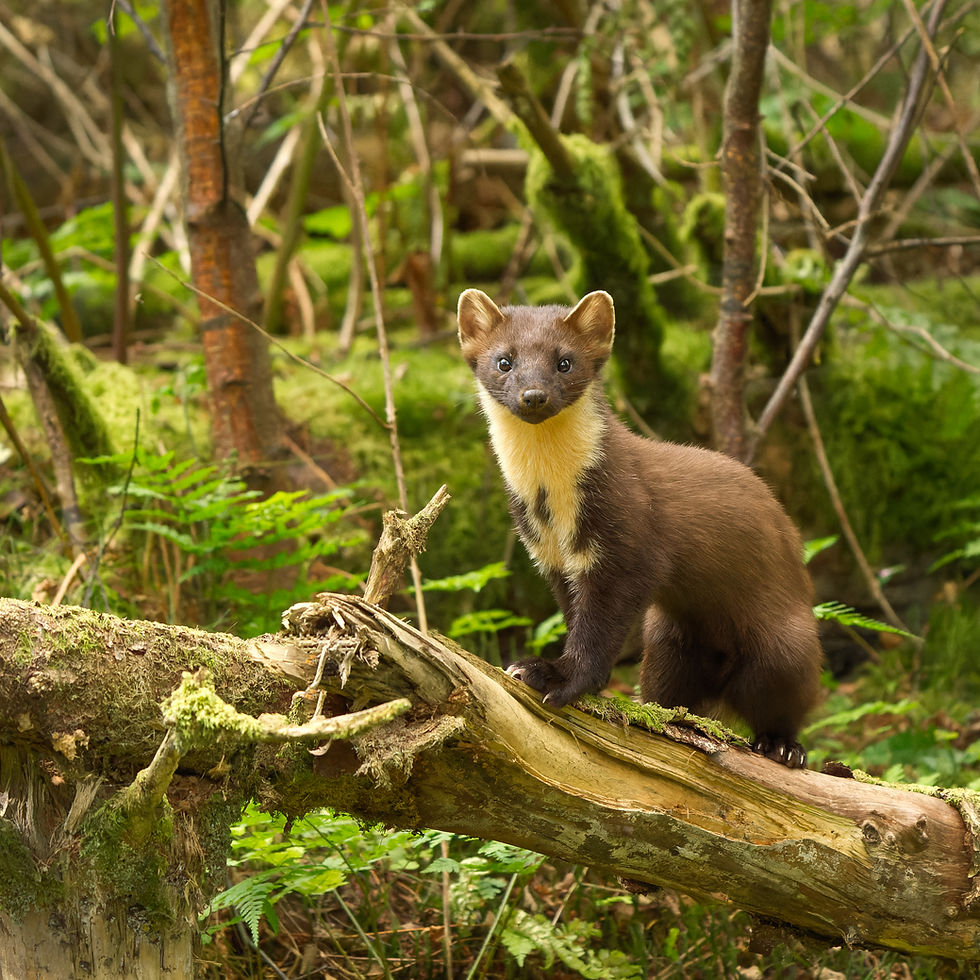
Look for natural frames within your environment. Trees, archways, or even rocks can create a beautiful border for your subject. This technique draws the viewer's eye directly to the focal point of your image.
Keep the Composition Simple
Strong landscapes often depend on one clear subject. Remove distractions, check the edges of the frame, and consider whether a different focal length would make the scene more intentional.
Focus on Your Subject
Ask yourself: What do I want to convey? A single, strong subject often tells a more compelling story than a cluttered scene. Simplifying your composition can lead to striking images that resonate with viewers.
Experiment with Angles
Don’t be afraid to change your perspective. Get low to the ground or find a higher vantage point. Different angles can reveal new dimensions in your photography.
Learn in the Field
A photography workshop or one-to-one session can help you apply these ideas in real conditions, with guidance tailored to your interests and current level.
Connect with Fellow Photographers
Joining a community of photographers can be incredibly beneficial. Sharing experiences and tips can enhance your learning journey. Plus, it’s a great way to make friends who share your passion!
Practice Makes Perfect
Remember, practice is key. The more you shoot, the more you’ll learn. Don’t be discouraged by mistakes; they’re part of the process. Each click of the shutter is a step toward improvement.
Conclusion
Nature photography is a rewarding journey. With the right planning, composition, and a willingness to learn, you can transform your images into stunning works of art. So grab your camera and get out there!
If you're looking to deepen your understanding of photography, consider exploring Scott Tilley Photography. This resource is a treasure trove for anyone eager to master landscape, wildlife, and macro photography.
Remember, every photograph tells a story. What will yours say?

Comments