Mastering Black and White Photography Skills: A Journey into Timeless Art

Black and white photography has a unique charm, doesn’t it? It strips away the distractions of colour and lets you focus on the essence of the scene - the shapes, textures, and emotions. If you’ve ever felt drawn to the classic elegance of monochrome images, you’re in the right place. Today, I’m going to share some practical tips and insights to help you sharpen your black and white photography skills and create stunning images that tell powerful stories.
Why Black and White Photography Skills Matter
You might wonder, why bother with black and white when colour photography is so vibrant and accessible? Well, black and white photography is not just about removing colour. It’s about seeing the world differently. It challenges you to think about light, contrast, and composition in new ways. When you master these skills, your photos gain depth and emotion that colour sometimes masks.
For example, imagine a foggy morning in the Midlands countryside. The mist softens the landscape, and the colours are muted. In black and white, that same scene transforms into a moody, atmospheric masterpiece. The interplay of light and shadow becomes the star of the show.
Here’s a quick tip: When shooting in black and white, look for scenes with strong contrasts or interesting textures. Shadows, patterns, and shapes become your best friends.

Essential Black and White Photography Skills to Develop
Let’s dive into some core skills that will elevate your black and white photography:
1. Understanding Light and Shadow
Light is everything in photography, but in black and white, it’s everything multiplied. You need to pay close attention to how light falls on your subject. Harsh sunlight creates dramatic shadows, while soft light produces gentle gradients. Both can work beautifully, depending on your vision.
Try shooting during the golden hour or on overcast days to experiment with different lighting moods. Use shadows to add depth and dimension. Remember, black and white images rely heavily on tonal contrast, so look for scenes where light and dark areas balance well.
2. Mastering Composition
Without colour to guide the eye, composition becomes even more critical. Use classic rules like the rule of thirds, leading lines, and framing to create compelling images. Look for geometric shapes, repeating patterns, and textures that stand out in monochrome.
For instance, a close-up of tree bark or a weathered stone wall can become a fascinating abstract image in black and white. Don’t be afraid to get close and fill the frame with texture.
3. Using Filters and Post-Processing
Back in the film days, photographers used coloured filters to enhance contrast in black and white images. Today, digital post-processing offers even more control. You can adjust brightness, contrast, and shadows to bring out the best in your photos.
Experiment with different black and white presets or convert your images manually using software like Lightroom or Photoshop. Play with the sliders to emphasise textures or soften harsh contrasts. The goal is to create a balanced image that feels natural yet striking.
4. Choosing the Right Subjects
Not every scene works well in black and white. Look for subjects with strong shapes, textures, or emotional impact. Portraits, architecture, landscapes, and wildlife can all shine in monochrome if approached thoughtfully.
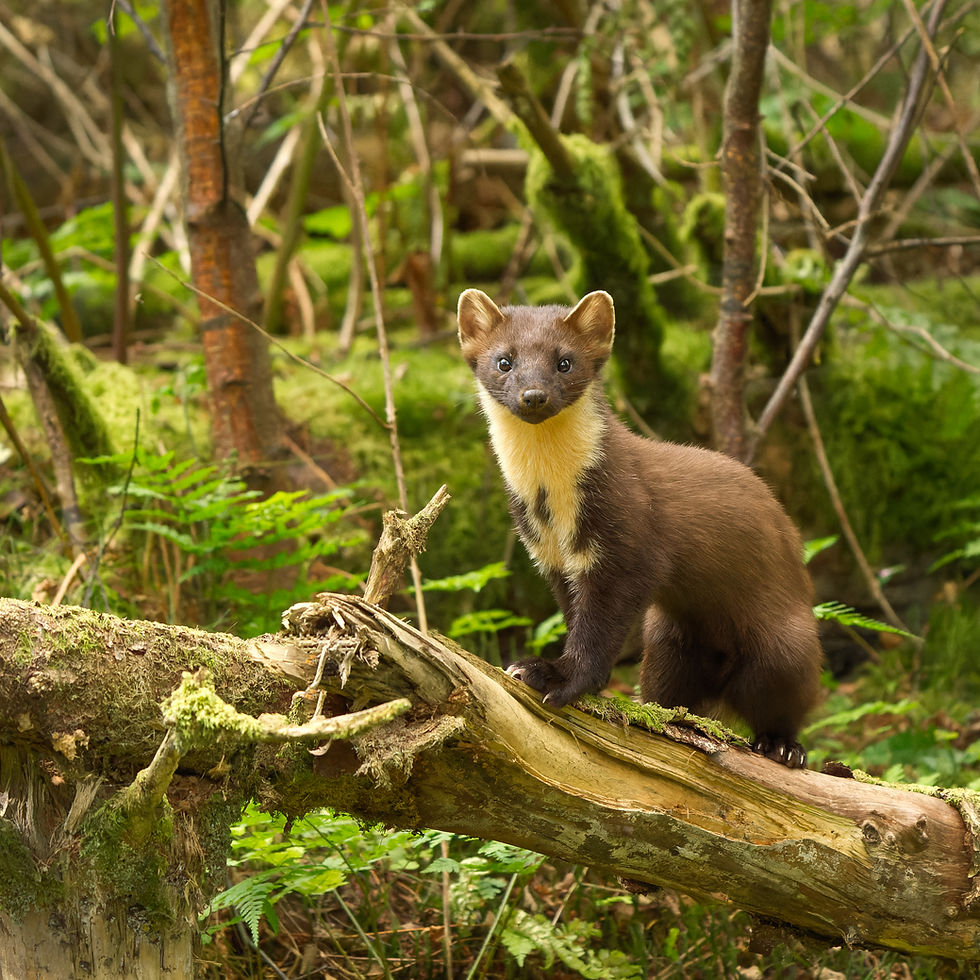
For example, a close-up of a bird’s feathers or the rugged bark of an ancient tree can reveal details that colour might overshadow. Try to capture moments that tell a story or evoke a feeling.

How to Learn Black and White Photography Effectively
If you’re eager to learn black and white photography, the best approach is a mix of practice, study, and feedback. Here’s a simple plan to get you started:
Shoot regularly: Challenge yourself to take only black and white photos for a week. This forces you to think differently about your subjects.
Analyse classic black and white images: Study the work of masters like Ansel Adams or Henri Cartier-Bresson. Notice how they use light, shadow, and composition.
Experiment with editing: Don’t just rely on automatic conversions. Try manual adjustments to understand how different settings affect your image.
Join a community: Share your work with fellow photographers and ask for constructive feedback. Learning from others accelerates your growth.
Attend workshops or online courses: Structured learning can provide valuable insights and techniques tailored to black and white photography.
Bringing Your Black and White Images to Life
Once you’ve captured your images, the magic continues in the editing process. Here are some actionable tips to enhance your black and white photos:
Adjust contrast carefully: Too much contrast can make your image harsh, while too little can make it flat. Find the sweet spot.
Use dodge and burn: Lighten or darken specific areas to guide the viewer’s eye and add depth.
Sharpen textures: Enhancing details like leaves, feathers, or stone surfaces can make your photo pop.
Crop thoughtfully: Sometimes a tighter crop improves composition and impact.
Consider printing: Black and white prints have a timeless quality. Experiment with different papers and sizes to see what works best.
Remember, the goal is to create images that resonate emotionally and visually. Don’t be afraid to break the rules once you understand them.
Your Next Steps in Black and White Photography Skills
Ready to take your black and white photography skills to the next level? Start by exploring your local landscapes and wildlife with a fresh perspective. Look for scenes that tell a story without colour. Practice shooting in different lighting conditions and experiment with your camera settings.
Keep a journal of your shots and edits to track your progress. Over time, you’ll develop an eye for what works and what doesn’t. And most importantly, enjoy the process! Black and white photography is a wonderful way to connect deeply with your surroundings and express your artistic vision.
Happy shooting!
Scott Tilley Photography is here to support your journey in mastering nature photography across the Midlands and Northern England. Dive into the world of black and white and discover the timeless beauty waiting to be captured.

Comments