Mastering Black and White Photography Tips

Black and white photography has a timeless charm that colour images sometimes just can’t match. There’s something magical about stripping away colour and focusing purely on light, shadow, texture, and composition. If you’ve ever wondered how to elevate your nature shots or landscapes with this classic style, you’re in the right place. I’m here to share some of my favourite black and white photography tips that will help you see the world differently and capture stunning monochrome images.
Why Black and White Photography Tips Matter
You might be thinking, “Why bother with black and white when colour is so vibrant and exciting?” Well, black and white photography forces you to think differently. It’s not just about removing colour; it’s about emphasising contrast, shapes, and mood. When you master this art, your photos tell a story in a way that colour sometimes distracts from.
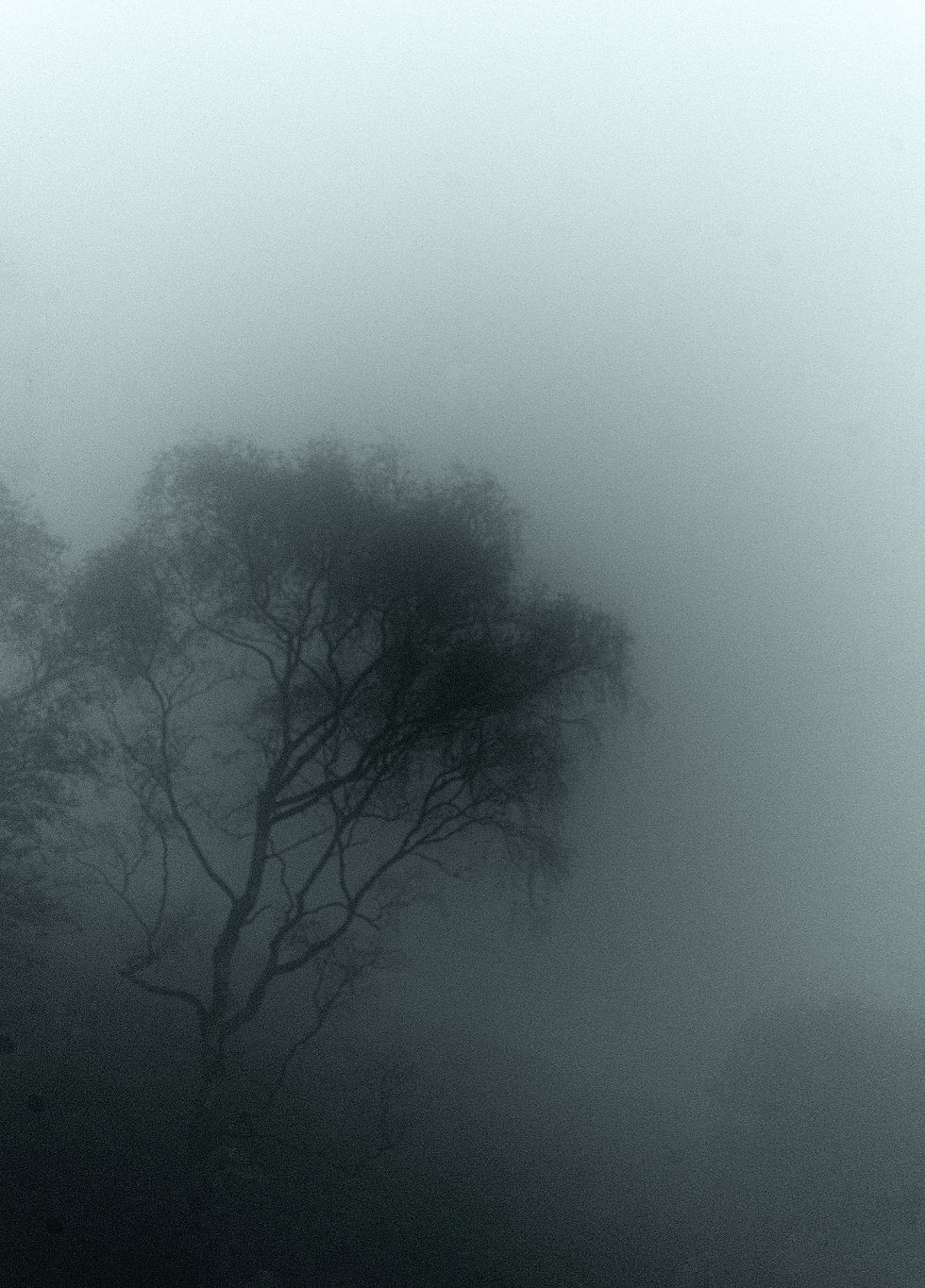
For example, imagine a misty morning in the Lake District. The soft greys and deep blacks can create a mysterious atmosphere that colour might dilute. Or think about the intricate patterns on a leaf or the rough texture of tree bark - black and white can highlight these details beautifully.
Here’s a quick tip: always look for strong contrasts and interesting textures when shooting in black and white. These elements become your best friends.
Essential Black and White Photography Tips for Nature Shots
Let’s dive into some practical advice that you can start using right away:
Focus on Light and Shadow
Light is everything in black and white photography. Harsh midday sun can create dramatic shadows, while soft morning or evening light adds gentle gradients. Play with these to add depth and dimension.
Use Filters or Post-Processing to Enhance Contrast
When shooting digitally, you can use black and white filters or convert your images in post-processing software. Adjusting contrast, brightness, and clarity can make a huge difference. Don’t be afraid to experiment.
Pay Attention to Composition
Without colour, your composition needs to be strong. Use leading lines, patterns, and framing to guide the viewer’s eye. For instance, a winding river or a row of trees can create a natural path through your photo.
Shoot in RAW Format
RAW files give you more flexibility when editing. You can fine-tune exposure and contrast without losing quality, which is crucial for black and white conversions.
Look for Textures and Patterns
Nature is full of textures - from rough bark to smooth stones. These details pop in monochrome and add interest to your shots.
Experiment with Different Subjects
Don’t just stick to landscapes. Try close-ups of leaves, water droplets, or animal fur. Black and white can reveal details that colour might hide.
Set you camera to black and white rather than shooting in colour and converting later. You will find that you start to see the landscape in black and white which will help you find those elements that make the best monochrome shots.
Remember, the key is to practice and review your images critically. Ask yourself what works and what doesn’t, and keep refining your approach.

How to Learn Black and White Photography
If you’re serious about improving, it’s worth investing time to learn black and white photography. There are fantastic resources out there, from online courses to local workshops. Hands-on experience combined with expert guidance can accelerate your progress.
One thing I always recommend is to study the masters. Photographers like Ansel Adams and infrared master Simon Marsden understood how to use light and shadow to create powerful images. Analyse their work and try to replicate their techniques in your own style.
Also, don’t shy away from feedback. Join photography groups or forums where you can share your work and get constructive criticism. It’s a great way to learn and stay motivated.
Gear and Settings for Black and White Photography
You don’t need fancy equipment to get started, but some gear choices and camera settings can help:
Camera: Any DSLR or mirrorless camera will do. Even smartphones can produce great black and white images nowadays.
Lens: A versatile zoom lens or a prime lens with a wide aperture (like f/1.8 or f/2.8) is ideal for capturing sharp details and controlling depth of field.
Settings:
- Shoot in RAW for maximum editing flexibility.
- Use a low ISO (100-400) to reduce noise, or lean into noise if you prefer the work of photographers like Simon Marsden.
- Adjust aperture depending on your subject - wider for portraits or close-ups, narrower for landscapes.
- Experiment with shutter speed to capture motion or freeze action.
Developing Your Own Style in Black and White Photography
One of the most exciting parts of mastering black and white photography is developing your own unique style. This comes with time, experimentation, and a lot of shooting.
Ask yourself:
What subjects am I drawn to?
Do I prefer high contrast or soft tones?
How do I want my photos to make people feel?
Try different approaches and keep a portfolio of your best work. Over time, patterns will emerge, and your style will become clearer.
Don’t be afraid to break the rules either. Sometimes the most striking images come from unexpected angles or unconventional compositions.
Keep Exploring and Enjoy the Journey
Black and white photography is a wonderful way to deepen your connection with nature and your camera. It challenges you to see the world differently and express your vision in a powerful, timeless way.
So grab your camera, head outdoors, and start experimenting. Remember, every great photographer started where you are now - curious and eager to learn. With patience and practice, you’ll soon be capturing breathtaking black and white images that tell stories beyond colour.
Happy shooting!
If you want to explore more about this art form, don’t hesitate to learn black and white photography through dedicated courses and tutorials. It’s a journey worth taking.
Comments