Reignite Your Passion for Wildlife Photography Through Projects

Updated: Apr 29
Why a Project Can Boost Your Motivation
Wildlife photography often requires patience and persistence. Without a clear goal, it’s easy to lose interest or feel overwhelmed by the vastness of subjects and locations. A project narrows your focus, giving you a purpose beyond just taking pictures. It encourages you to:
Set achievable goals that keep you engaged.
Explore new techniques and subjects.
Track your progress and see tangible results.
Build a portfolio with a cohesive theme.
Connect with other photographers or conservationists.
By committing to a project, you create a structure that turns casual outings into purposeful adventures.
Choosing the Right Project for You
The best project aligns with your interests, skill level, and available resources. Here are some ideas to consider:
1. Focus on a Single Species
Pick one animal species to study and photograph over a season or year. This approach helps you learn about the animal’s behavior, habitat, and best times to shoot. For example, tracking a local bird species through its breeding cycle can reveal unique moments like nest building or feeding.
2. Document a Habitat
Choose a specific location such as a wetland, forest, or grassland. Document the variety of wildlife there, showing how different species interact with the environment. This project can highlight seasonal changes and conservation issues.
3. Capture Behavior Patterns
Instead of just photographing animals, focus on their behaviors: hunting, mating, parenting, or migration. This requires patience and observation but results in compelling storytelling images.
4. Create a Conservation Story
Combine photography with research to raise awareness about endangered species or habitat loss. Your project can include interviews, data, and images that support conservation efforts.
5. Experiment with Techniques
Try new photography methods like macro shots of insects, night photography of nocturnal animals, or underwater wildlife photography. This expands your skills and keeps the process exciting.
Planning Your Wildlife Photography Project
A successful project needs careful planning. Here are steps to help you get started:
Define Your Objective
What do you want to achieve? It could be improving your technical skills, creating a photo series for an exhibition, or contributing to a conservation cause. Clear objectives guide your decisions.
Research Your Subject
Learn about the species or habitat you want to focus on. Read books, watch documentaries, and connect with local wildlife experts or organizations. Understanding animal behavior increases your chances of capturing meaningful images.
Set a Timeline
Decide how long your project will last. It could be a few weeks, a season, or a full year. A timeline helps maintain momentum and provides checkpoints to review your progress.
Prepare Your Gear
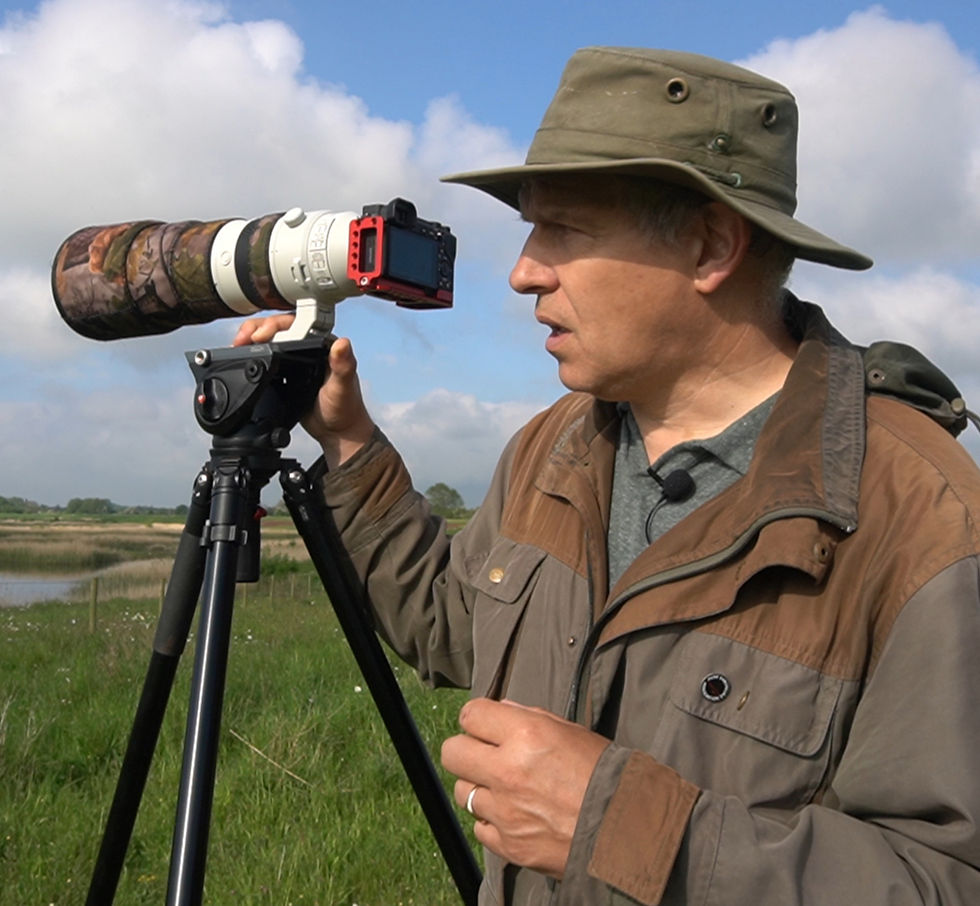
Choose the right equipment for your project. For example, a telephoto lens is essential for photographing shy animals from a distance, while a macro lens suits insect photography. Don’t forget accessories like tripods, extra batteries, and weather protection.
Plan Your Field Visits
Schedule regular trips to your chosen location. Consistency improves your chances of success and helps build familiarity with the environment and wildlife patterns.
Tips for Staying Motivated Throughout Your Project
Even with a plan, staying motivated can be tough. Here are ways to keep your enthusiasm alive:
Keep a journal to record observations, challenges, and ideas.
Share your progress with friends, online communities, or local clubs.
Celebrate small wins like capturing a rare behavior or improving your composition.
Mix up your routine by trying different times of day or weather conditions.
Take breaks when needed to avoid burnout.
Examples of Wildlife Photography Projects
To inspire you, here are real-life examples of projects that photographers have undertaken:
A photographer spent a year documenting urban foxes, showing how wildlife adapts to city life.
Another focused on the life cycle of monarch butterflies, capturing their migration and transformation.
A project on coral reef fish combined underwater photography with conservation messaging, helping raise funds for reef protection.
Each project brought new challenges and rewards, proving that a focused goal can deepen your connection to wildlife and improve your craft.
Using Your Project to Grow as a Photographer
Beyond motivation, a project helps you develop skills such as:
Patience and observation by spending extended time with your subject.
Technical mastery through repeated practice in different conditions.
Storytelling by creating a narrative with your images.
Editing and presentation by selecting and sequencing photos for impact.
Consider sharing your work through exhibitions, blogs, or photo contests. Feedback from others can provide valuable insights and encouragement.
Conclusion
In conclusion, embarking on a wildlife photography project can be a transformative experience. It not only revitalises your passion but also enhances your skills and deepens your understanding of nature. So, why not take the plunge? Set a project that excites you, and watch your photography journey flourish. Remember, the world of wildlife is vast and full of stories waiting to be told.
And if you ever feel stuck, just think about how a focused project can help you rediscover your love for photography. Happy shooting!

Comments