Starting Wildlife Photography Tips: Your Journey into the Wild

Diving into wildlife photography is like opening a door to a world full of surprises, beauty, and endless learning. I remember my first time trying to capture a bird in flight - it was thrilling and frustrating all at once! But that’s the magic of it. If you’ve ever wondered how to freeze a moment in nature and tell a story through your lens, you’re in the right place. Let’s chat about starting wildlife photography tips that will set you on the right path.
Why Wildlife Photography? The Pull of the Wild
Have you ever felt that irresistible urge to connect with nature? Wildlife photography is more than just snapping pictures of animals. It’s about patience, respect, and understanding the environment around you. When you start, it’s easy to get overwhelmed by the gear, the settings, and the perfect shot you want. But here’s a secret: the best photos come from being present and observing.
Think about it - every animal has a story. A fox sneaking through the underbrush, a kingfisher diving for fish, or a deer pausing in the early morning mist. Capturing these moments means you’re not just a photographer; you’re a storyteller.
Starting Wildlife Photography Tips: Gear and Basics
Let’s get practical. What do you really need to start? Spoiler alert: you don’t need the most expensive camera on the market.
Camera: A DSLR or mirrorless camera with manual settings is ideal. But even a good compact camera can work wonders.
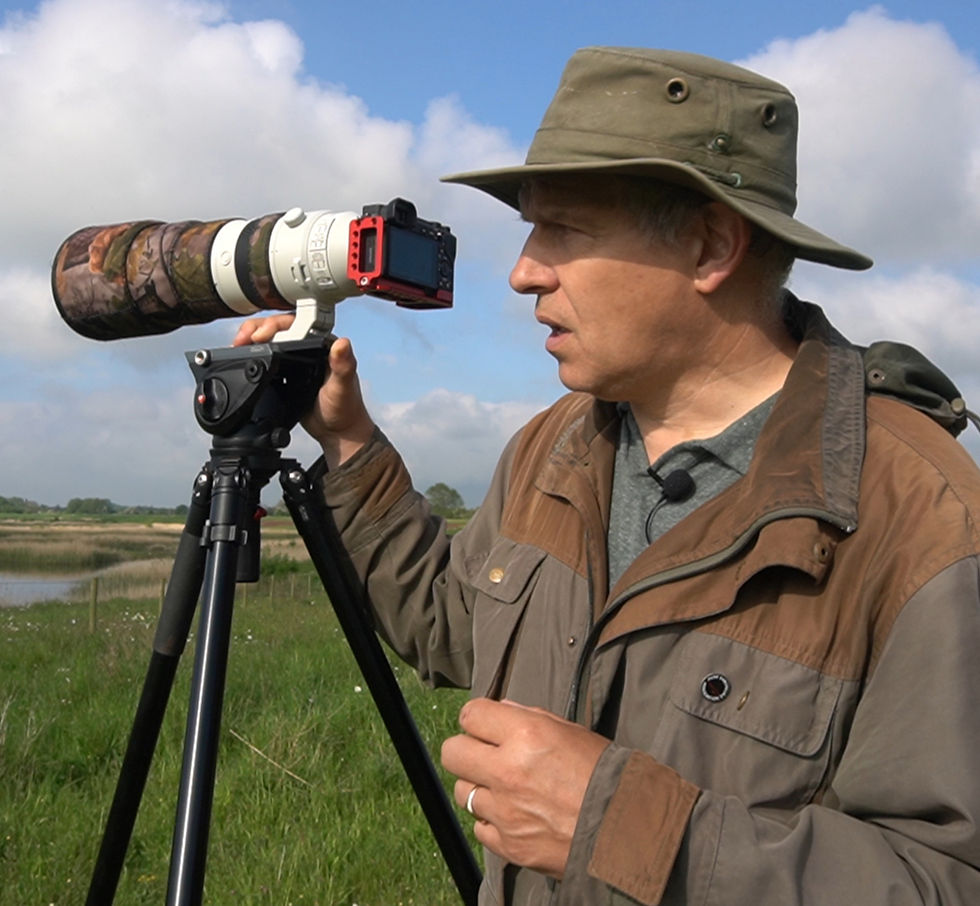
Lens: A telephoto lens (think 300mm or more) helps you get close without disturbing wildlife.
Tripod: Stability is key, especially in low light.
Clothing: Dress for the environment - camouflage or neutral colours help you blend in.
Accessories: Extra batteries, memory cards, and a comfortable backpack.
Remember, it’s not about having the fanciest gear but learning to use what you have well. Start simple, then upgrade as you grow.

Patience and Practice: The Heart of Wildlife Photography
Wildlife photography is a test of patience. You might spend hours waiting for the perfect moment. But trust me, it’s worth it. Here’s how to make the wait productive:
Scout Locations: Visit local parks, nature reserves, or woodlands. Learn animal habits and best times to visit. Don't forget your local area is your friend, you can become the local wildlife expert.
Practice Settings: Experiment with shutter speed, aperture, and ISO. Fast shutter speeds freeze motion; wider apertures blur backgrounds beautifully.
Stay Quiet and Still: Animals are sensitive to noise and movement. The quieter you are, the better your chances.
Keep a Journal: Note what works and what doesn’t. Over time, patterns emerge. What you have seen where and when, why might it be there?
It’s a journey of trial and error, but every click teaches you something new.
How to Get Started in Wildlife Photography
If you’re wondering where to begin, I highly recommend checking out how to get started in wildlife photography. It’s packed with practical advice tailored for beginners and intermediate photographers alike. The key is to start small, focus on local wildlife, and build your confidence.
One tip I can’t stress enough: respect the wildlife and their habitat. Never chase or disturb animals for a shot. Ethical photography ensures these creatures thrive for generations to come.

Composition and Creativity: Making Your Photos Stand Out
Once you’ve got the basics down, it’s time to think about composition. Wildlife photography isn’t just about the animal; it’s about the story you tell with light, background, and perspective.
Rule of Thirds: Place your subject off-centre to create a balanced image.
Leading Lines: Use natural lines like branches or rivers to draw the eye.
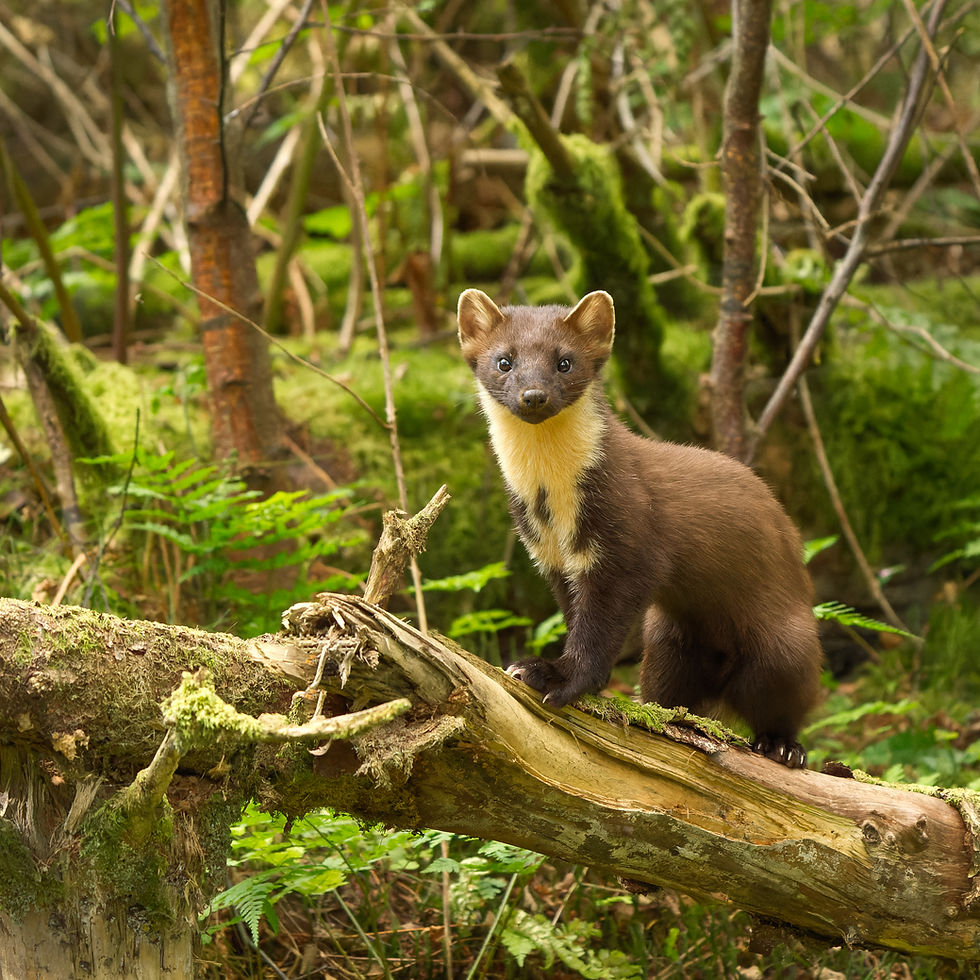
Eye Contact: Photos where the animal looks at the camera create a powerful connection. So get down to their level!
Golden Hour: Shoot during early morning or late afternoon for soft, warm light.
Background: Keep it simple to make your subject pop.
Don’t be afraid to experiment. Sometimes the most unexpected angles or moments make the best shots.
Building Your Skills and Community
Photography is a lifelong learning process. Joining local groups or online forums can be incredibly helpful. Sharing your work and getting feedback pushes you to improve. Plus, it’s inspiring to see what others capture in the Midlands and Northern England.
Workshops and guided tours are also fantastic. They offer hands-on experience and insider tips from experts. Scott Tilley Photography, for example, is a great resource for nature photography education in this region. They focus on helping enthusiasts master landscape, wildlife, and macro photography, fostering a supportive community.
Keep Exploring and Enjoy the Journey
Wildlife photography is as much about the journey as the destination. Every outing is a chance to connect with nature, learn something new, and create memories. Don’t get discouraged by missed shots or tough conditions. Each experience sharpens your skills and deepens your appreciation for the wild.
So, grab your camera, head outdoors, and start your adventure. The wild is waiting, and your story is ready to be told.
Happy shooting!
Ready to take your wildlife photography to the next level? Dive into the world of nature with passion and patience, and watch your skills grow with every click.

Comments