Why Every Photographer Should Explore Beyond One Genre

The quickest way to grow stale as a photographer is to keep proving the same idea to yourself. You find a subject you love, learn how to shoot it, build a style around it, then slowly stop taking risks. The work may still be good, but the spark starts to fade.
That is why genre labels can be useful, but also limiting. Calling yourself a landscape photographer, wildlife photographer, street photographer, portrait photographer, or macro photographer can help describe what you enjoy. The problem starts when the label becomes a fence.
Photography is too rich for that. Every genre teaches something different about light, timing, composition, patience, movement, and emotion. When you step outside your usual subject matter, you do more than add variety to your portfolio. You build skills that feed back into everything you shoot.
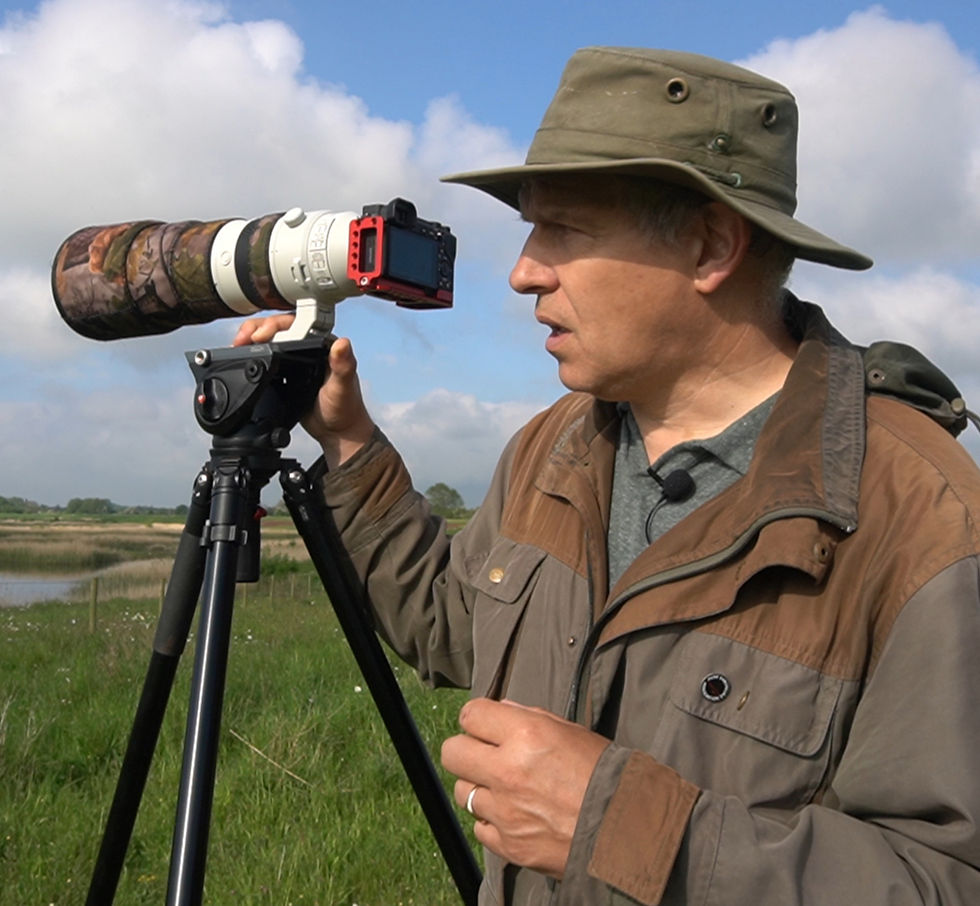
Your favourite genre can become a comfort zone
Most photographers begin by following what excites them. One person is drawn to mountain light at dawn. Another waits for birds in flight. Someone else loves candid street scenes, quiet interiors, or tiny details in flowers and insects.
That pull matters. It gives you direction. It gets you out with the camera when the weather is poor or the alarm goes off far too early.
But the same pull can become a routine.
A landscape photographer may start choosing the same compositions again and again. Foreground rock, leading line, glowing sky, mountain in the distance. A wildlife photographer may focus so much on reach, sharpness, and eye contact that they stop thinking about wider storytelling. A portrait photographer may rely on familiar light and poses because they know they work.
There is nothing wrong with having a speciality. In fact, deep practice is essential. The danger is mistaking familiarity for growth.
When you shoot only one kind of subject, you often face the same kind of problems. You solve them in the same kind of ways. Over time, your eye can become efficient but less curious. You know where to stand, which lens to use, and what settings will get the job done. That confidence is valuable, but it can also make the act of seeing feel automatic.
Trying another genre interrupts that pattern. It makes you notice again.
Different subjects teach different instincts
Every genre rewards a different set of habits. The more subjects you photograph, the more tools you develop.
A landscape photographer often learns to slow down. They study weather, direction of light, foreground shapes, depth, and balance across the frame. They may return to the same location many times for the right conditions.
A wildlife photographer learns anticipation. They read movement, behaviour, body language, and small changes in the environment. They need fast reactions and quiet patience at the same time.
A street photographer learns to see gesture, humour, contrast, and human moments before they vanish. They practise framing quickly in uncontrolled spaces.
A macro photographer learns precision. Tiny shifts in focus, background, angle, and wind can make or break the image.
A portrait photographer learns connection. The subject is not just a shape in the frame. Their comfort, expression, posture, and trust all affect the photograph.
Each of these skills can strengthen the others.
A wildlife photographer who practises street photography may become better at reading behaviour. That can help them anticipate when an animal is about to leap, turn, feed, or interact. A landscape photographer who shoots portraits may become more sensitive to mood and gesture, which can help when including people in outdoor scenes. A macro photographer who tries wide landscape work may gain a better feel for visual flow across the whole frame.
This is one of the strongest reasons behind Why Every Photographer Should Explore Beyond One Genre. You are not abandoning your main interest. You are collecting new instincts.

Skills cross over more than you expect
Photography genres can look separate from the outside, but the foundations overlap. Composition, light, timing, lens choice, exposure, and storytelling sit underneath almost every strong image.
The difference is that each genre pressures those skills in a new way.
Composition becomes more flexible
If you only shoot landscapes, you may become skilled at arranging fixed elements. Rocks, trees, rivers, hills, sea stacks, clouds. The scene changes, but often slowly.
Now try photographing a person walking through a patch of light on a busy street. The background is messy, the subject moves, and the moment lasts a second. You still need composition, but you need it faster.
That speed can help when you return to landscapes. You may become quicker at recognising shapes, cleaner edges, and visual distractions. You may also become more willing to simplify the frame instead of including everything.
The reverse is true as well. A street photographer who spends time with landscapes may learn patience and structure. They may begin to place people more carefully within their surroundings, rather than only chasing the moment.
Light becomes something you read everywhere
Landscape photographers often think deeply about golden hour, blue hour, cloud, mist, and side light. That understanding is useful far beyond hills and coastlines.
Take that awareness into portrait work and you start noticing how soft window light shapes a face. Take it into wildlife and you begin choosing positions based on backlight, rim light, and background tone. Take it into macro and you see how a tiny shift in angle changes the whole feeling of the image.
By contrast, genres like street and documentary photography teach you to work with imperfect light. Harsh sun, mixed shade, reflections, artificial light, and dull days all become part of the practice.
That can be freeing. You stop waiting for perfect conditions and start asking, what can this light do?
Timing gets sharper
Some genres are slow. Some are frantic. Both have value.
Long-exposure seascapes teach planning and control. Bird photography teaches reaction and timing. Street photography teaches instinct. Sports teach tracking, rhythm, and peak action. Portraits teach the tiny difference between a blank expression and a real one.
Once you train your timing in one area, you carry it into another. You may catch a cleaner wave shape in a coastal image, a better wing position in a bird photo, or a fleeting laugh in a family portrait.
Timing is not only about fast shutter speeds. It is about recognising when the image has come alive.
Variety keeps photography enjoyable
Skill is only part of the story. Interest matters too.
Photography asks for effort. You carry gear, spend time outdoors, edit carefully, study your mistakes, and sometimes come home with very little. If the process starts to feel repetitive, motivation drops.
Trying a different genre can bring back the sense of play.
If you are tired of waiting for dramatic skies, spend an afternoon photographing details in your home or garden. If wildlife has become frustrating because sightings are poor, try black and white street scenes in a nearby town. If portrait work feels too people-focused for a while, take a slow walk with a macro lens.
This type of variety can lower the pressure. You are not trying to produce portfolio work every time. You are giving yourself permission to experiment.
That mindset is powerful. Some of the best ideas arrive when there is less expectation attached to the outcome. A day spent photographing reflections, textures, pets, food, flowers, shadows, or local architecture may seem unrelated to your main work. Later, you may notice that the same ideas creep into your landscapes or wildlife frames.
Curiosity compounds.
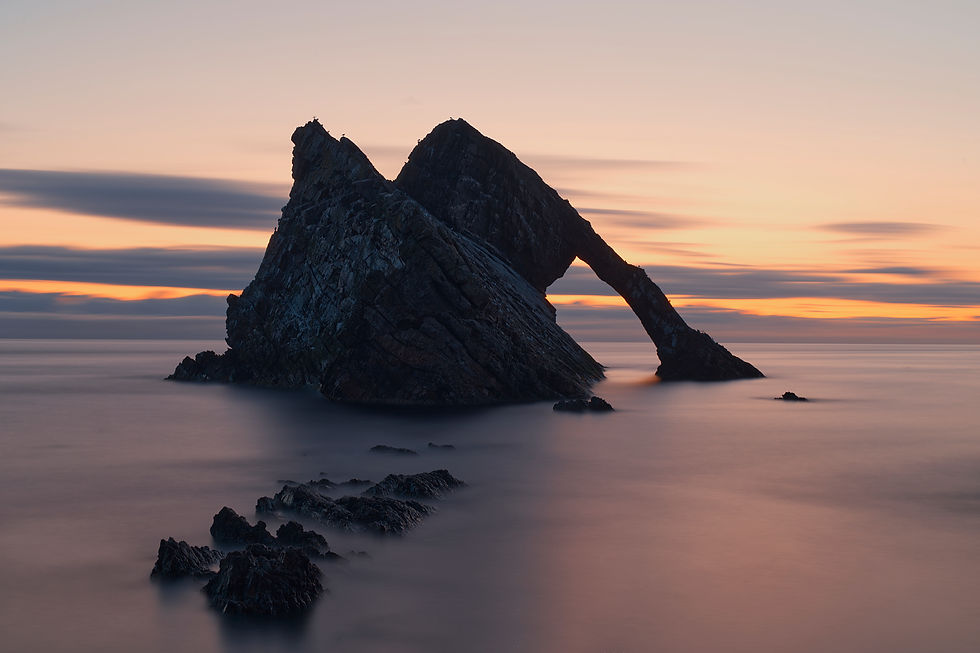
Exploring other genres does not dilute your style
A common fear is that shooting too many things will make your photography feel unfocused. That can happen if you chase every trend without direction. But exploring widely does not mean publishing everything or changing identity every week.
There is a difference between practice and presentation.
Your public portfolio can still be tight. Your printed work can still focus on landscapes, wildlife, portraits, or whatever matters most to you. Behind the scenes, though, you can shoot anything that teaches you something.
Think of it like a musician practising scales, rhythm, and unfamiliar styles. The audience may know them for one sound, but the depth comes from broader practice.
The same applies to photography. A strong personal style often becomes clearer when you work across subjects. You begin to see what stays consistent.
Maybe you always use quiet compositions. Maybe you love warm side light. Maybe your work has a sense of stillness, humour, tension, space, or intimacy. Those traits can appear in a bird photograph, a coastal scene, a portrait, and a close-up of rain on glass.
Subject matter is only one part of style. The deeper part is how you see.
Practical ways to branch out without feeling lost
Exploring beyond one genre does not require new gear, long trips, or a full change of direction. Start small and make the exercise specific.
Here are a few simple ways to do it:
Pick one lens and use it for an unfamiliar subject A 50mm lens for landscapes, a wide lens for environmental portraits, or a telephoto lens for urban details can force fresh choices.
Set a one-hour project Photograph only shadows, reflections, hands, birds in the built environment, textures, or movement. Keep it short enough that it feels playful.
Borrow the rules of another genre Use landscape-style composition in a portrait. Use wildlife patience for street photography. Use portrait light on a flower. Use macro attention in a wide scene.
Shoot your normal subject in the wrong conditions Midday landscapes, rainy portraits, quiet street scenes, or wildlife images that include more habitat can all reveal new ideas.
Edit across genres together Place different subjects side by side and look for shared colour, shape, mood, and rhythm. This helps you spot patterns in your eye.
The aim is not to become equally skilled at everything. Few people have the time or desire for that. The aim is to stay open enough that photography remains alive.
A useful question to ask after each experiment is simple:
What did this subject force me to notice that I usually ignore?
That answer is where growth begins.
Your main genre gets stronger when you return to it
The best part of exploring other genres is what happens when you go back to your favourite subject. You return with sharper senses.
After photographing people, your landscapes may gain a stronger sense of scale and presence. After shooting wildlife, your landscapes may become more patient and observant. After trying macro, your portraits may show more attention to small details. After practising street photography, your wildlife work may feel better timed and less static.
You may also become less dependent on ideal conditions.
A photographer who only shoots classic landscape scenes may feel blocked by flat skies. But one who has explored details, abstracts, wildlife, and human elements can still make worthwhile images. A wildlife photographer who does not find the hoped-for animal may notice tracks, habitat, light on reeds, birds in silhouette, or smaller creatures nearby.
This matters because real photography rarely follows a perfect plan. Weather changes. Subjects do not appear. Light fades. Access is limited. Time runs out.
A broader photographer adapts.
That adaptability does not just produce more photographs. It produces better decisions. You learn when to wait, when to move, when to change lens, when to simplify, and when to stop forcing an image that is not there.

Keep the label loose
There is nothing wrong with saying you are a landscape photographer or a wildlife photographer. Those words help people understand what you love. They help clients, galleries, editors, and other photographers place your work.
Just do not let the label decide what you are allowed to see.
A genre should be a home base, not a locked room. Leave it often. Wander into subjects that feel awkward. Make imperfect pictures. Notice what frustrates you. Notice what excites you. Then bring those lessons back.
The camera does not care what category the image belongs to. It only records how well you saw, how well you responded, and how clearly you shaped the frame.
Stay loyal to your curiosity first. The genre can follow.


Comments