Getting Started in Wildlife Photography: Essential Wildlife Photography Tips

Diving into wildlife photography is like opening a door to a world full of surprises, beauty, and sometimes, a little bit of patience-testing frustration. But trust me, the thrill of capturing that perfect shot of a fox in the early morning mist or a kingfisher diving into a river is absolutely worth it. If you’ve ever wondered how to get started in wildlife photography, you’re in the right place. I’m here to share some down-to-earth advice, practical tips, and a few insider secrets to help you embark on this exciting journey.
Why Wildlife Photography? A Personal Take
Before we get technical, let me tell you why I fell in love with wildlife photography. It’s not just about snapping pictures of animals; it’s about telling stories through images. Every creature has a tale, every moment in nature is unique, and capturing that on camera feels like holding a piece of the wild in your hands. Plus, it’s a fantastic excuse to spend more time outdoors, exploring the Midlands and Northern England’s stunning landscapes.
Wildlife photography teaches patience, observation, and respect for nature. It’s a rewarding hobby that challenges you to improve your skills constantly. And the best part? You don’t need the most expensive gear to start. You just need passion, curiosity, and a bit of guidance.

Wildlife Photography Tips: Gear and Settings to Get You Going
Let’s talk gear. You don’t have to break the bank, but having the right equipment can make a huge difference. Here’s what I recommend for beginners and intermediate photographers:
Camera: A DSLR or mirrorless camera with manual settings is ideal. These give you control over shutter speed, aperture, and ISO.
Lens: A telephoto lens (300mm or longer) is essential for capturing animals from a distance without disturbing them.
Tripod: Helps stabilise your shots, especially in low light.
Memory Cards and Batteries: Always carry extras. Wildlife moments can be unpredictable, and you don’t want to miss out.
Now, settings. Some wildlife moves fast, so I advise using a shutter speed faster than you think you will need when you start out. For instance a stationary deer standing in a field can be taken with a very slow shutter speed 1/100 sec if you can hold the camera steady! But for fast moving subjects you’ll want a fast shutter speed (1/1000 sec or faster) to freeze motion. Use a wide aperture (small f-number) to blur the background and make your subject pop. And don’t be afraid to increase ISO if the light is low, but keep an eye on noise.
Here’s a quick checklist for your camera settings:
Shutter speed: Dependent on subject and your skill holding the camera. (Generally aim for 1/400 to 1/1000 sec or faster
Aperture: f/4 to f/8 depending on light and depth of field
ISO: Start at 400, adjust as needed or use Auto ISO and let the camera choose.
Focus mode: Continuous autofocus (AI Servo or AF-C)
Drive mode: Burst mode to capture multiple frames quickly
Remember, practice makes perfect. Spend time experimenting with these settings in different lighting conditions.
Mastering Patience and Observation in the Wild
Wildlife photography isn’t just about gear and settings. It’s about being in the moment. Animals don’t pose for you, and they certainly don’t wait around. So, patience is your best friend.
When you’re out in the field, take time to observe. Watch how animals move, where they like to hang out, and what times they’re most active. Early mornings and late afternoons are golden hours for both light and animal activity.
Here are some tips to help you stay patient and observant:
Blend in: Wear neutral colours and avoid sudden movements.
Use hides or blinds: These can help you get closer without disturbing wildlife.
Stay quiet: Silence is key to not scaring animals away.
Wind direction: Some animals will smell you long before you see them
Learn animal behaviour: Understanding habits helps predict where and when to find your subjects.
Patience also means being ready to wait for the perfect moment. Sometimes, you might spend hours in one spot, but that one shot will make it all worthwhile.
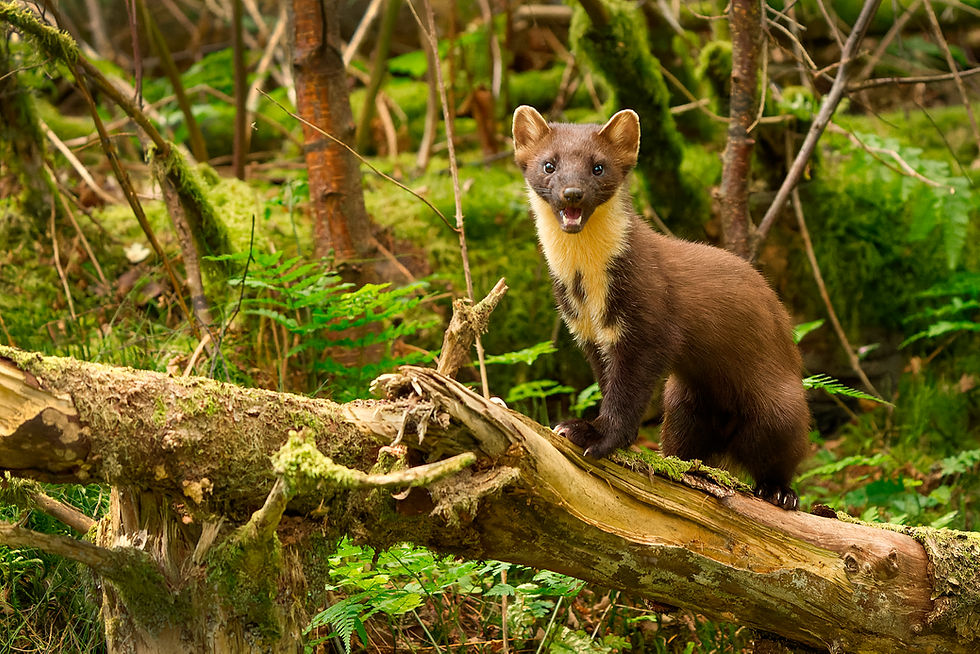
Composition and Lighting: Making Your Shots Stand Out
Once you’ve got your subject in focus, it’s time to think about composition and lighting. These elements can turn a good photo into a great one.
Composition tips:
Use the rule of thirds: Imagine your frame divided into nine equal parts and place your subject along these lines or intersections.
Leave space in the direction the animal is looking or moving.
Include elements of the environment to tell a story.
Experiment with different angles - eye level shots often create a stronger connection.
Lighting tips:
Natural light is your best friend. Soft, diffused light during sunrise or sunset adds warmth and depth.
Avoid harsh midday sun that creates strong shadows.
Backlighting can create stunning silhouettes but requires careful exposure.
Use reflectors or diffusers if you’re shooting close to subjects in shaded areas.
Remember, every shot is a chance to learn. Don’t be afraid to try new things and break the rules once you understand them.
Building Your Skills and Finding Your Style
Wildlife photography is a journey, not a destination. As you gain experience, you’ll start to develop your own style and preferences. Maybe you love capturing intimate close-ups, or perhaps sweeping landscapes with animals in the distance are more your thing.
Here’s how to keep growing:
Review your photos regularly: Identify what works and what doesn’t.
Join local photography groups or workshops: Sharing experiences with others is invaluable.
Study the work of professionals: Learn from their techniques and storytelling.
Experiment with different subjects and locations: The Midlands and Northern England offer diverse wildlife and habitats to explore.
Practice post-processing: Editing can enhance your images but keep it natural.
If you’re wondering how to get started in wildlife photography, I highly recommend checking out this helpful guide that covers the basics and beyond.
Embracing the Adventure and Respecting Nature
At the heart of wildlife photography is a deep respect for nature. It’s about capturing moments without disturbing the animals or their habitats. Always prioritise ethical practices:
Keep a safe distance.
Avoid using flash or loud noises.
Follow local guidelines and protected area rules.
Remember no image is worth disturbing/harming a animal.
Wildlife photography is as much about conservation as it is about art. By sharing your images, you can inspire others to appreciate and protect the natural world.
So, grab your camera, pack your patience, and get ready for an adventure. The wild is waiting, and your next great shot is just around the corner.
Happy shooting!
If you want to dive deeper into wildlife photography and connect with a community of like-minded enthusiasts, Scott Tilley Photography offers fantastic resources and workshops tailored for nature photographers across the Midlands and Northern England. It’s a brilliant way to sharpen your skills and share your passion.
Go on, take that first step. The wild is calling.


Comments