Wildlife Photography: A Beginner's Guide

Updated: Feb 10
Understanding Equipment Costs
Let’s break it down. The first step is to understand the costs associated with equipment and what you actually need to get started in wildlife photography.
Camera Choices
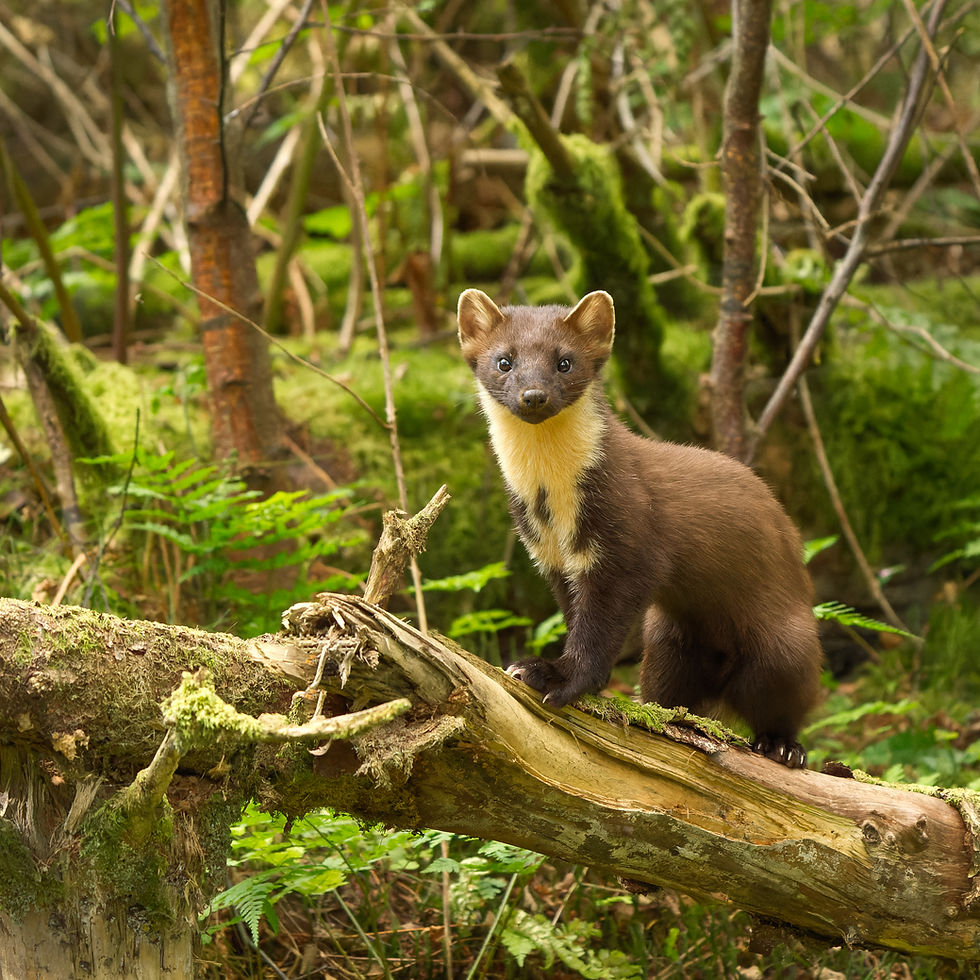
I know that the photography world has largely shifted to mirrorless systems, with all major brands offering impressive options. Personally, I shoot with a Nikon Z8 mirrorless camera, which comes in at over three thousand pounds! However, I could just as easily grab a Canon 50D paired with a Canon 100-400 Mk1 lens and head out with confidence, knowing it can capture some fantastic images. Take a look at this one, for instance, taken with that combination back in 2015.

Now, I’m not saying that today’s cameras haven’t advanced since 2015—they certainly have! But dismissing older models simply because they’re not the latest and greatest is a mistake. Sure, improvements in autofocus, file sizes, and speed are welcome, but are they truly necessary for everyone?
This brings us to an important conversation: what do you need to take a great image, and what do you want? In my experience, these are two very different things.
Affordable Camera and Lens Combinations
If you’re looking to avoid breaking the bank, here are a few excellent camera and lens combinations that will help you capture stunning wildlife images. I’ve divided them into two price brackets: under one thousand pounds and under one thousand five hundred pounds. Let’s see what I recommend.
Under £1,000
Canon 70D + Tamron 100-400 F4.5-6.3 DI VC - Total Cost £853*
Sony A6000 + Sigma 100-400 F5-6.3 DG DN OS - Total Cost £905*
Nikon D750 + Tamron 100-400 F5-6.3 DI VC - Total Cost £1024*
Under £1,500
Now, let’s see what an extra five hundred pounds can get you!
Canon 90D + Sigma 150-600 F5-F6.3 DG OS HSM - Total Cost £1403*
Sony A6400 + Tamron 150-500 F5-6.7 DI III VC - Total Cost £1698*
Nikon Z6 + Tamron 50-400 F4.5-6.3 DI III VC - Total Cost £1504*
These are just a few examples of camera and lens combinations that deliver excellent results for wildlife photography. Many of these setups have helped me capture some of my best images. This shows that with modest equipment, you can achieve fantastic results.

Why Aim for the Higher Range?
If I had to give you one piece of advice, it would be to aim closer to the £1,500 range. There’s a good reason for this. While the lower-priced camera and lens combinations are capable, they may lead to missed opportunities for beginners. As an inexperienced wildlife photographer, you might not yet have the knowledge to compensate for any shortcomings in your gear.
More expensive setups tend to show their weaknesses only in demanding situations, which is likely a small percentage of your time as a new wildlife photographer.
Where Do I Start?
This is a common question for those new to wildlife photography. It can feel daunting. Unlike landscape photography, wildlife isn’t always there, waiting for the perfect light. Wildlife can be elusive, and it can be disheartening to return home empty-handed after a day of shooting.
Choose Your Location Wisely
One of my best pieces of advice is to start with your local area. After all, you’re there all the time! This gives you the best chance to observe local wildlife. Does it have a pattern? Is it found in certain areas at specific times? Understanding these nuances can significantly improve your chances of capturing great images. Imagine trying to gather this knowledge if your chosen site is two hundred miles away—quite a tall order!
Get to Know Your Camera
There’s nothing worse than being in a fantastic situation with a wildlife marvel in front of you, only to miss it because you’re fumbling with your camera settings. You need to practice! For me, the best place to do that is in my own backyard. It’s accessible, and I can put in the hours without wasting time travelling.
One of the most rewarding ways to practice is by setting up bird feeders in your garden. You’ll be amazed at the stunning images you can capture of common subjects. We often dismiss these everyday sights, but there’s a massive difference between a goldfinch on a seed feeder and the image you see below, taken from my own back garden using a few props! This approach will pay dividends when you need to be on the ball for that once-in-a-lifetime shot.

Keep Going
Wildlife photography is a lifelong obsession. If you speak to any professional wildlife photographer, they’ll tell you that they don’t know everything. One of the joys of wildlife photography is the constant surprises it brings. Be prepared to be a lifelong learner. Above all, enjoy and cherish this wonderful obsession!
All Prices taken from MPB Jan 26
---wix---

Comments